DSR Automation That Scales
Respond to data subject requests accurately and on time, even as regulatory complexity grows.
Bring Order to Data Subject Requests

Scale DSR operations without scaling headcount
DataGrail Request Manager orchestrates DSRs across fragmented systems and 2,500+ integrations, helping teams manage rising request volume under regulatory pressure, without relying on manual coordination.

Centralize DSR intake across channels
DataGrail Request Manager replaces inboxes and spreadsheets with branded request forms that automatically log, organize, and track every Data Subject Access Request in one dashboard as volume grows.

Fulfill requests accurately and securely
DataGrail removes guesswork from DSR fulfillment using Smart Verification™ and automated workflows that limit human error, prevent unauthorized access, and deliver access, deletion, and opt-out requests on time.

Life360 Maps 400+ Systems to Cut DSR Processing from 18 Staff to 1
“Our data engineers used to use a semi-manual script for data deletion requests, but the script couldn’t reach all 3rd party systems. DataGrail’s no-click automations gave our data engineer more than half of his life back.”
Explore how it works
No-code request intake and tracking
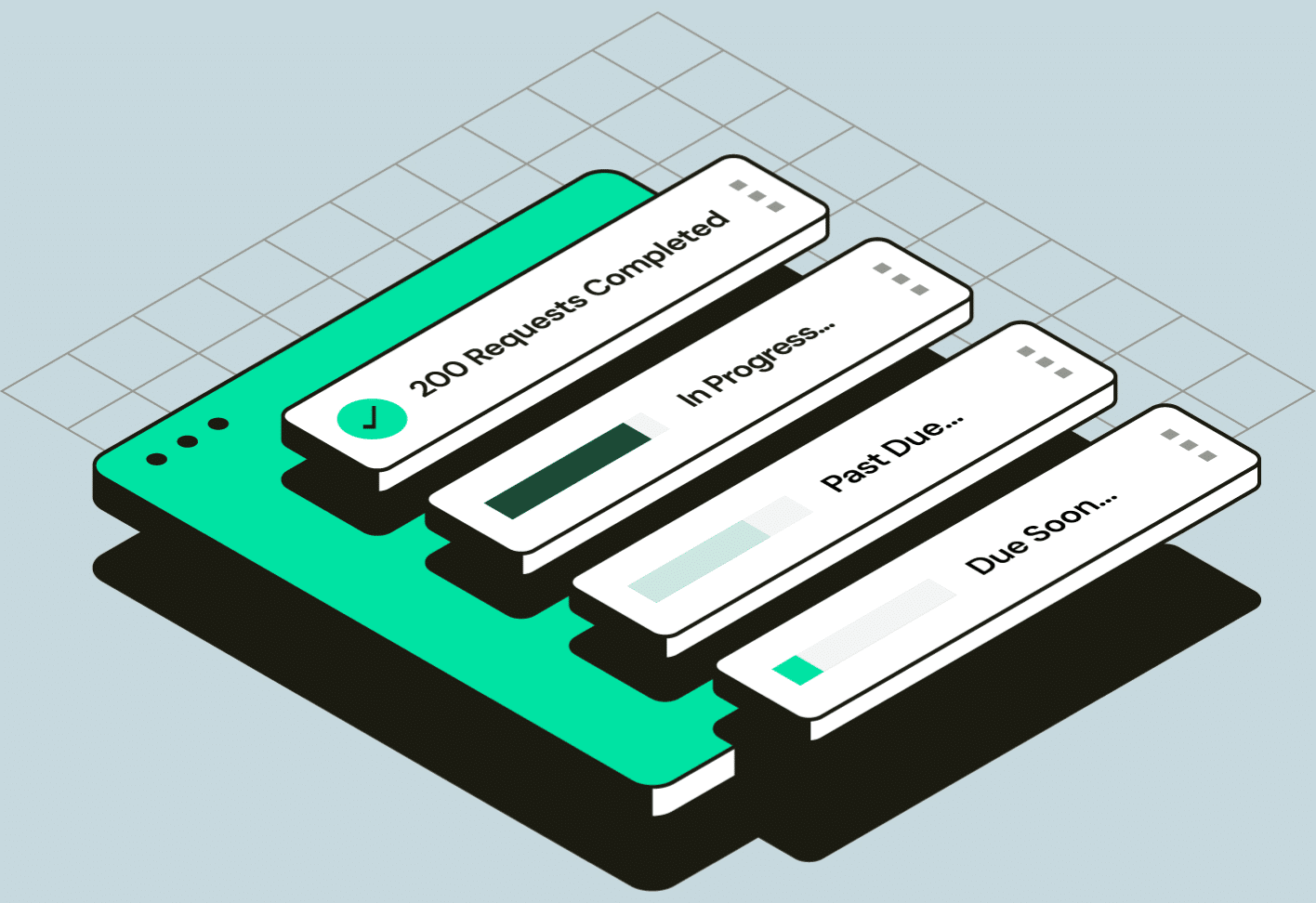
Branded forms on your site funnel requests straight into a centralized workstream. Every submission is logged automatically, so nothing gets lost and your team always knows what’s in progress.
Automated request fulfillment
DataGrail’s agentic AI searches across 2,500+ connected systems to locate personal data, then orchestrates DSAR fulfillment automatically. What used to pull your legal, IT, and engineering teams offline for days can now be completed by a single person in minutes.
Centralized management and oversight
From one dashboard, track every request, coordinate with internal teams and vendors, and maintain an auditable trail for deadlines and compliance reviews.
Patented identity verification
DataGrail’s patented Smart Verification™ authenticates requesters using data you already have without causing friction for legitimate users, while reducing exposure to fraudulent requests.
The trusted leader in data privacy






FAQ
What is a data subject request (DSR) and who can submit one?
A data subject request (DSR, also called a data subject access request (DSAR)) is a formal request from an individual to access, delete, correct, or opt out of the sale of their personal data. Under laws like GDPR, CCPA/CPRA, and the growing list of U.S. state privacy laws, anyone whose data you collect can submit one: customers, employees, job applicants, even website visitors. Authorized agents can also submit requests on someone else’s behalf. Vera, DataGrail’s AI privacy agent, automates the routing and fulfillment of incoming requests so your team stays on top of volume without manual triage.
What's the difference between access, deletion, and opt-out requests?
- Access requests ask you to provide a copy of all personal data you hold on the requester, along with details about how it’s used and who it’s shared with.
- Deletion requests ask you to erase the requester’s personal data from your systems (with some exceptions for legal holds or contractual obligations).
- Opt-out requests ask you to stop selling or sharing personal data for targeted advertising or other purposes covered by laws like CCPA/CPRA.
Each type has different workflows and can cause more friction than clarity. Organizations would benefit from a platform that offers centralized tracking and automated orchestration.
What is DSAR software and how does it work?
DSAR software automates the process of receiving, verifying, and fulfilling data subject access requests under regulations like GDPR and CCPA/CPRA. Instead of tracking requests across email and spreadsheets, a DSAR management platform centralizes intake, authenticates requester identity, searches connected systems for personal data, and fulfills requests automatically. DataGrail’s Request Manager is purpose-built DSAR software that handles the full request lifecycle across 2,500+ integrations, giving privacy teams control without the manual overhead.
What are the legal deadlines for fulfilling DSRs?
It depends on the regulation.
- GDPR: 30 days, with a possible 60-day extension for complex requests
- CCPA/CPRA: 45 days, with a possible 45-day extension
- Most U.S. states follow the CCPA timeline, with some exceptions.
Missing these deadlines can trigger regulatory scrutiny, fines, and reputational damage. Coordinating systems and teams fast enough to meet it consistently matters.
Why is identity verification important before fulfilling a DSR?
Fulfilling a request without verifying identity can expose personal data to the wrong person, creating a breach while trying to comply with privacy law. But overly burdensome verification creates friction for legitimate requesters and may even violate regulations that prohibit collecting unnecessary data. The best approach uses existing data signals to authenticate identity without asking for more. DataGrail’s patented Smart Verification™ handles this automatically.
How should we handle DSRs involving third-party vendors?
You’re still accountable for data held by your vendors. When a deletion request comes in, you need to ensure processors and subprocessors delete the data too. They must also document that they did. Instead of chasing vendors manually, it’s best to use a system that can orchestrate requests across external partners automatically and maintain an auditable trail.
What makes DSR fulfillment so difficult at scale?
Three things compound quickly: data sprawl, manual processes, and cross-team coordination. Most companies store personal data across dozens or hundreds of systems like internal databases, SaaS apps, third-party vendors. Without automation and broad integration coverage, legal, IT, and engineering teams end up chasing data manually, request by request. That simply doesn’t scale.
What should we look for in a DSR management solution?
Look for broad integration coverage so the tool can actually reach your data wherever it lives. Identity verification should confirm requesters without creating friction or collecting extra data. Automation should handle the repetitive coordination work across routing requests, tracking deadlines, logging actions, so your team focuses on exceptions, not process. And everything should feed into a centralized dashboard with audit-ready records.
The latest in data privacy